Triggering Fundamentals – Logic Analyzer Triggers

Triggering Fundamentals – Logic Analyzer Triggers

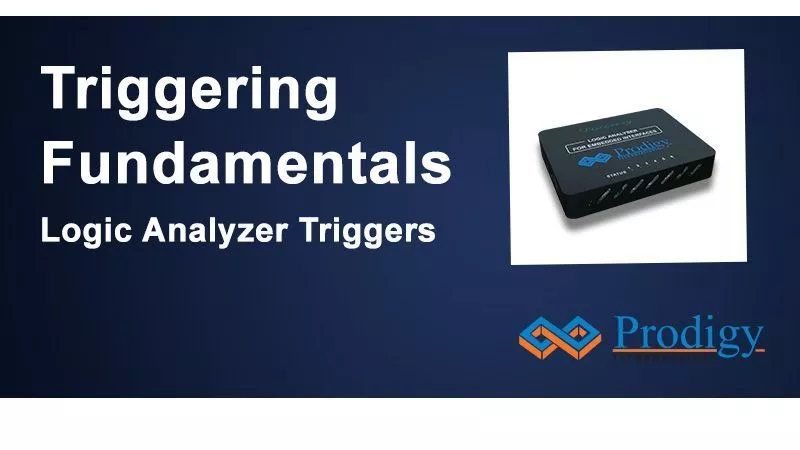
WHAT IS TRIGGERING? The triggering feature allows engineers to capture a particular event of interest or data. Logic analyzers can be triggered on a variety of logical (Boolean) conditions. The purpose of the trigger is to select data to be captured by the logic analyzer. Logic analyzers can keep track of DUT logic states and […]

SDIO Protocol

SDIO Protocol

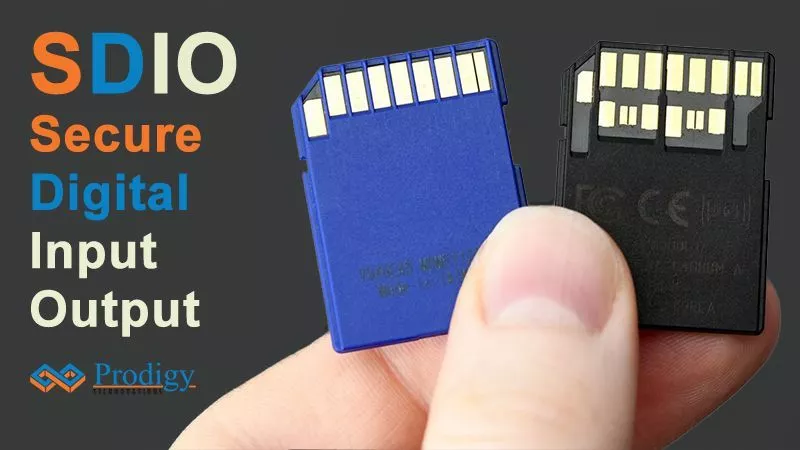
SDIO Protocol is a widely used Bus for the interfacing modem (device) to the application processor (Host). SDIO Protocol is used for Data exchange between host and device. Initially, the SDIO Protocol bus used operates at 50MHz (SD2.0) Specification. The current generation system uses a 200MHz (UHS I) SD3.0 bus. Like SD, SDIO Protocol capable […]

I2C vs SPI

I2C vs SPI

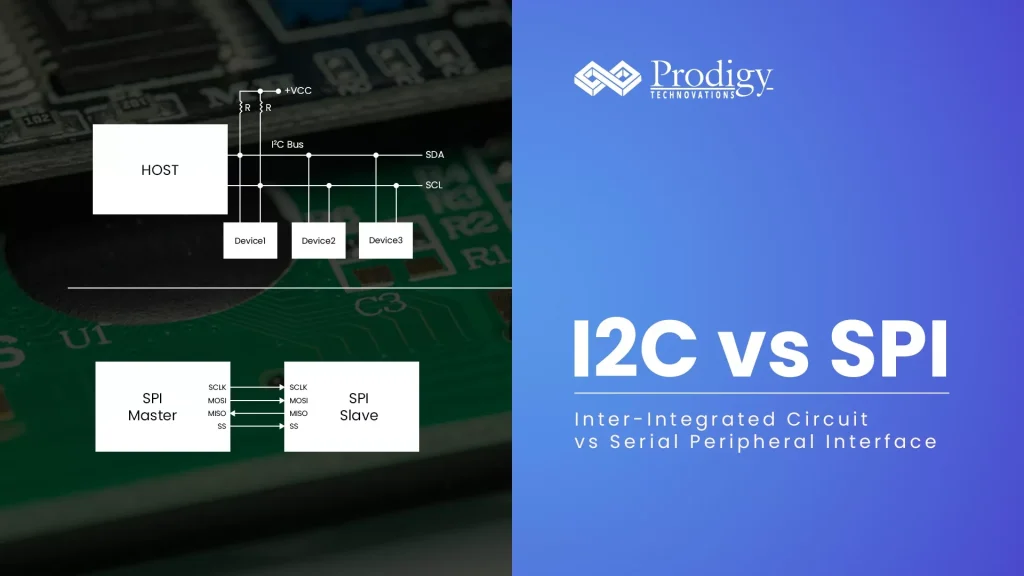
Difference Between I2C vs SPI What is I2C Protocol? I2C stands for Inter-Integrated Circuit. I2C is a simple two-wire serial protocol used to communicate between two devices or chips in an embedded system. I2C has two lines SCL and SDA, SCL is used for clock and SDA is used for data. What is SPI Protocol? […]

I2C Signal Integrity: Measurement and Electrical Validation

I2C Signal Integrity: Measurement and Electrical Validation

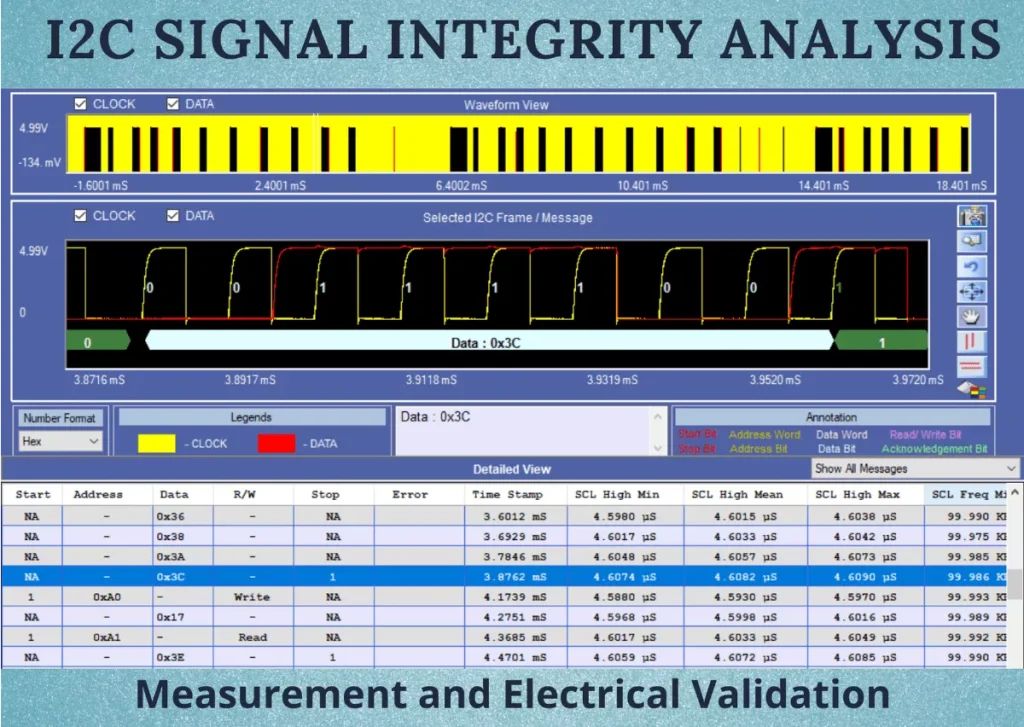
Overview of I2C Bus: The I2C’s physical two-wire interface consists of a bi-directional serial clock (SCL) and data (SDA) lines. Each device that is connected to the bus is software-addressable by a unique address and a simple master/slave relationship with the bus exists all the time. I2C is a serial, 8-bit oriented, bi-directional data transfer […]

I2C Bus

I2C Bus

Introduction to I2C Bus: I2C stands for Inter-Integrated Circuit. Philips Semiconductors developed I2C in the early 1980s as a low-cost solution for connecting lower-speed peripheral ICs to processors and microcontrollers over short distances. Since then, I2C has evolved into a worldwide standard for communication between devices in embedded systems. The simple two-wire design can be […]

I2S Protocol

I2S Protocol

I2S Protocol Introduction Today’s digital systems – from the Digital TV in the living room, Alexa, and google home for playing music and switching from text-based search to voice-based search– are driving convergence on many fronts. Quality of Experience is taking center stage. Audio requirements in Computers, Mobile Handsets, and Home Automation products have changed […]

I2C vs I2S

I2C vs I2S

Difference between I2C vs I2S What is I2C Protocol? I2C stands for Inter IC communication. I2C is a simple two-wire protocol used to comminute between two devices or chips in an embedded system. I2C has two lines SCL and SDA, SCL is used for the clock, and SDA is used for data. I2C Timing Diagram […]

eMMC vs UFS

eMMC vs UFS

The Differences between eMMC and UFS are: What is eMMC Protocol? Embedded multimedia card or eMMC, is a NAND flash memory for mobile applications and a memory solution for consumer electronics such as tablets, smartphones, GPS systems, eReaders, and other mobile computing devices. What is UFS Protocol? Universal Flash memory or UFS is the next […]

How AI Edge voice chip Company accelerated the Post Silicon bring up?

How AI Edge voice chip Company accelerated the Post Silicon bring up?

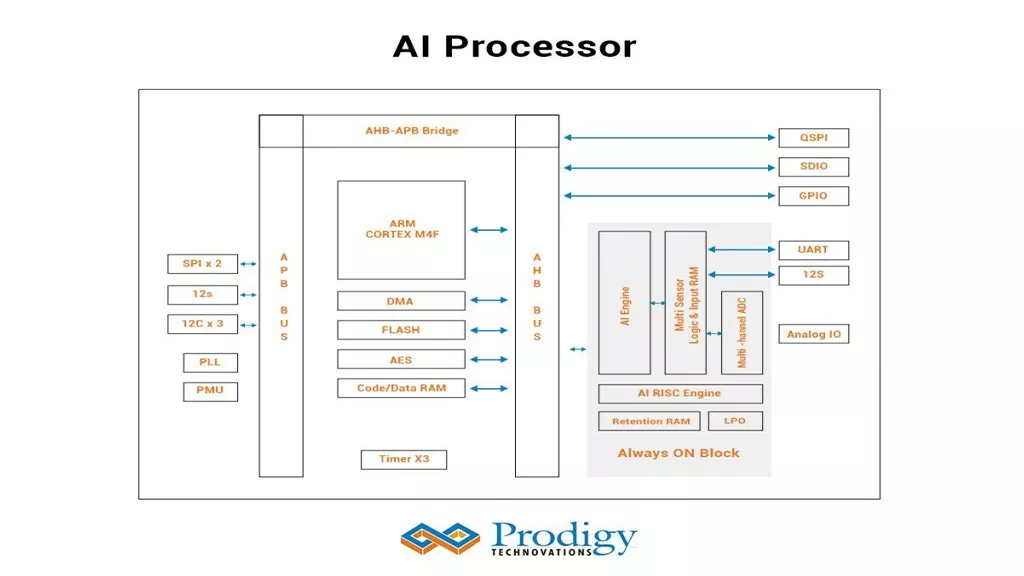
INTRODUCTION A startup was working on AI Edge-based voice processor chip. The voice-based AI chip is designed to consume the lowest power as it’s used in consumer headphones or earbuds. The startup was about to tape out the chip and was preparing for a post-silicon bring-up. It faced very significant barriers in the development phase […]

Where is Logic Analyzer used?

Where is Logic Analyzer used?

Where is Logic Analyzer used? Embedded System Testing : Embedded Systems have multiple devices and each of the devices uses the bus to communicate with the main chip or processor and other devices in the system. The Embedded system generally has SPI and I2C devices to communicate with the main processor. A logic analyzer can […]

41–50 of 74 Blogs

Request For Quote

Share your requirement and our team will provide a tailored quote based on your validation needs.

"*" indicates required fields

This field is for validation purposes and should be left unchanged.
Address*

Request For Demo

Tell us your use case and our team will schedule a product demo aligned to your validation workflow.

"*" indicates required fields

This field is for validation purposes and should be left unchanged.
Address*

Request A Demo

Tell us your use case and our team will schedule a product demo aligned to your validation workflow.

"*" indicates required fields

This field is for validation purposes and should be left unchanged.
This field is hidden when viewing the form
Address*

Request Quote

Share your requirement and our team will provide a tailored quote based on your validation needs.

"*" indicates required fields

This field is for validation purposes and should be left unchanged.
Address*